Cessna · Turboprop

Cessna 441 Conquest II

A fast pressurized twin-turboprop designed for executive and regional missions.

9Typical pax
2,200 nm≈ 4,074 kmTypical range
300 kt≈ 556 km/hTypical cruise
35,000 ft≈ 10,668 mMax altitude
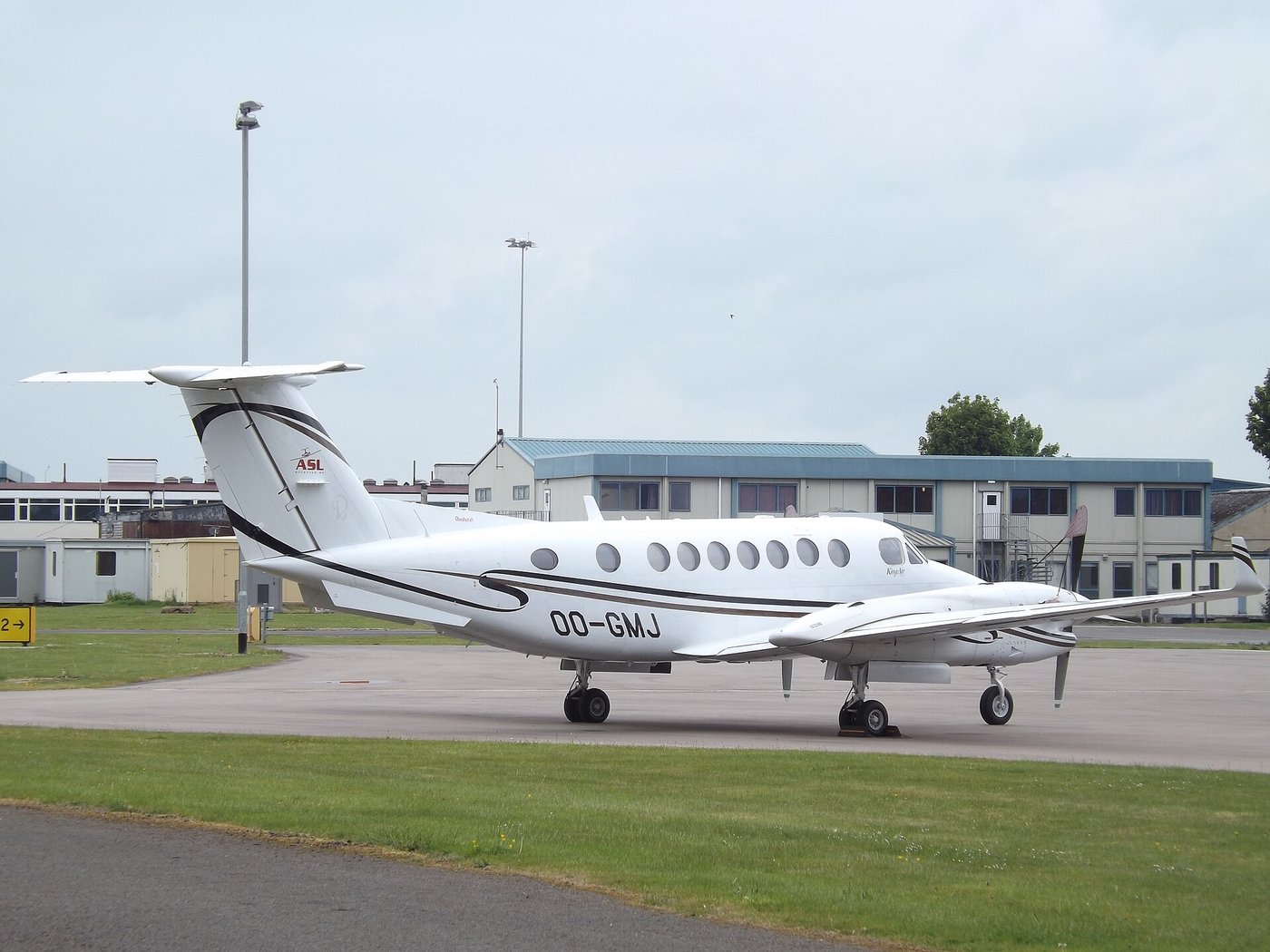
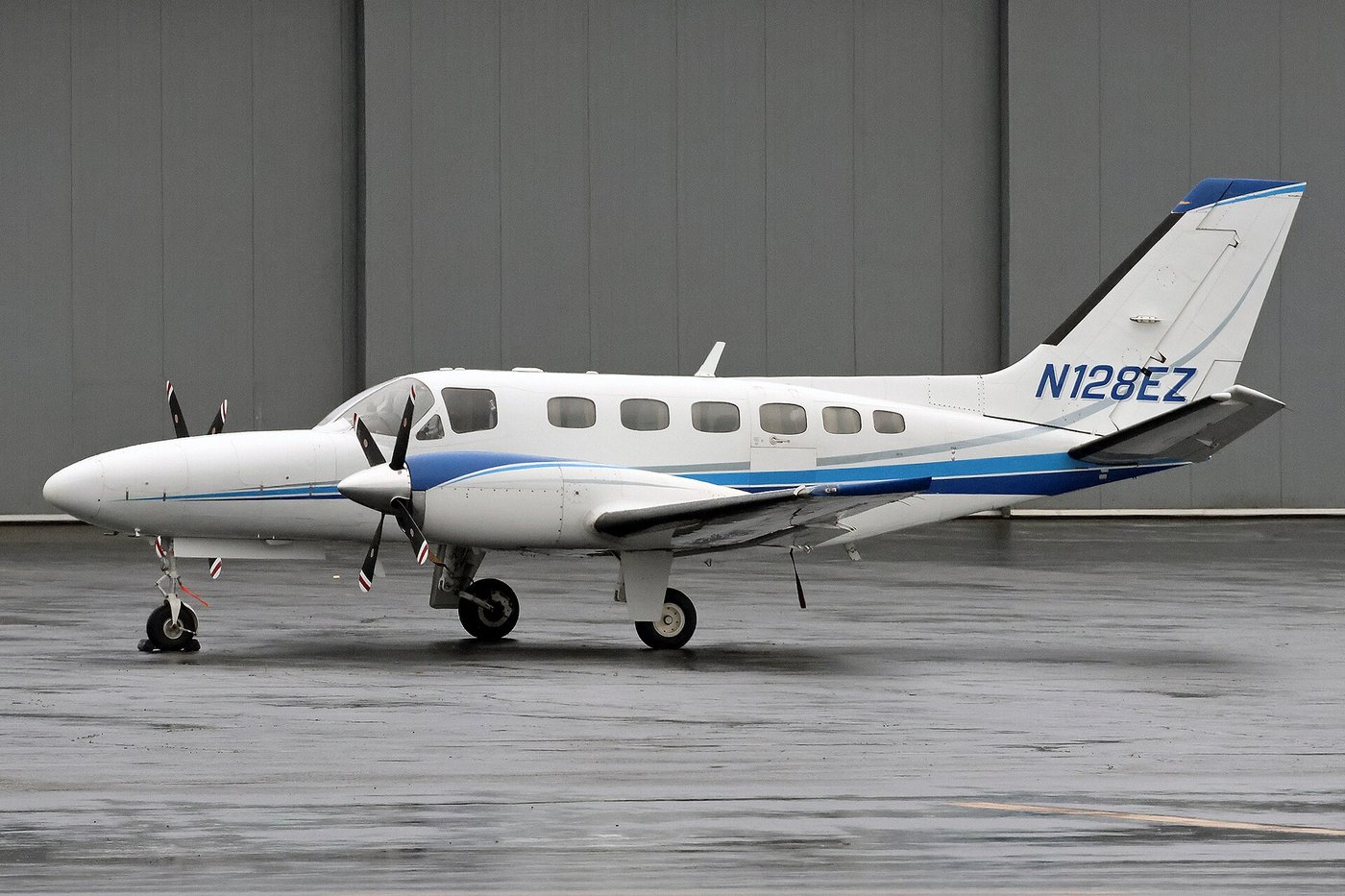
Cessna 441 — exterior view
Cessna 441 · Model reference photograph
Overview

Where the Cessna 441 Conquest II fits.

A fast pressurized twin-turboprop designed for executive and regional missions.

Typical mission profile

Longer turboprop business travel.

Cabin & baggage

Confirm seats, baggage weight and loading access. Cabin layouts vary between executive, commuter and utility configurations.

Airfield suitability

The operator must assess runway length, surface, weather, elevation and airport restrictions for the proposed flight.

Charter, acquisition and leasing context

Aircraft-model knowledge is useful even when no specific tail is being marketed. AviBroker can use this reference as a starting point for a charter request, acquisition search, sale discussion or leasing requirement where this aircraft class is relevant. Actual suitability depends on operator configuration, payload, route, regulatory approvals and market availability.

AviBroker

Looking for a Cessna 441 Conquest II?

Tell us the mission, geography, dates, capacity and commercial objective. We will evaluate the appropriate market route.
FAQ

About the Cessna 441 Conquest II

Is the Cessna 441 Conquest II currently available through AviBroker?

This page is a model guide. Contact AviBroker to check current charter, sale or lease opportunities for the aircraft and mission you need.

Are these specifications guaranteed?

No. Figures are representative model data for general comparison. Actual range, payload, cabin layout and performance vary by variant, serial number, configuration, weather and mission profile.

Can AviBroker help source a Cessna 441 Conquest II?

AviBroker can evaluate charter, acquisition, sale or leasing requirements through its international network, subject to market availability and applicable regulatory conditions.